
Operator Support System
Designing connected experiences across a suite of offshore operational applications.
The Operator Support System brought GustoMSC’s suite of operational applications into NOV MAX, connecting real-time offshore equipment data with guidance and workflows for operators.
I was the sole designer on the project and designed three of the five applications: OSS Lift, OSS Events, and OSS Loading—working closely with GustoMSC engineers, product teams, and development to translate specialized operational requirements into a more cohesive MAX experience.
Product Designer | Enterprise UX | Data Visualization | Cross-functional Collaboration
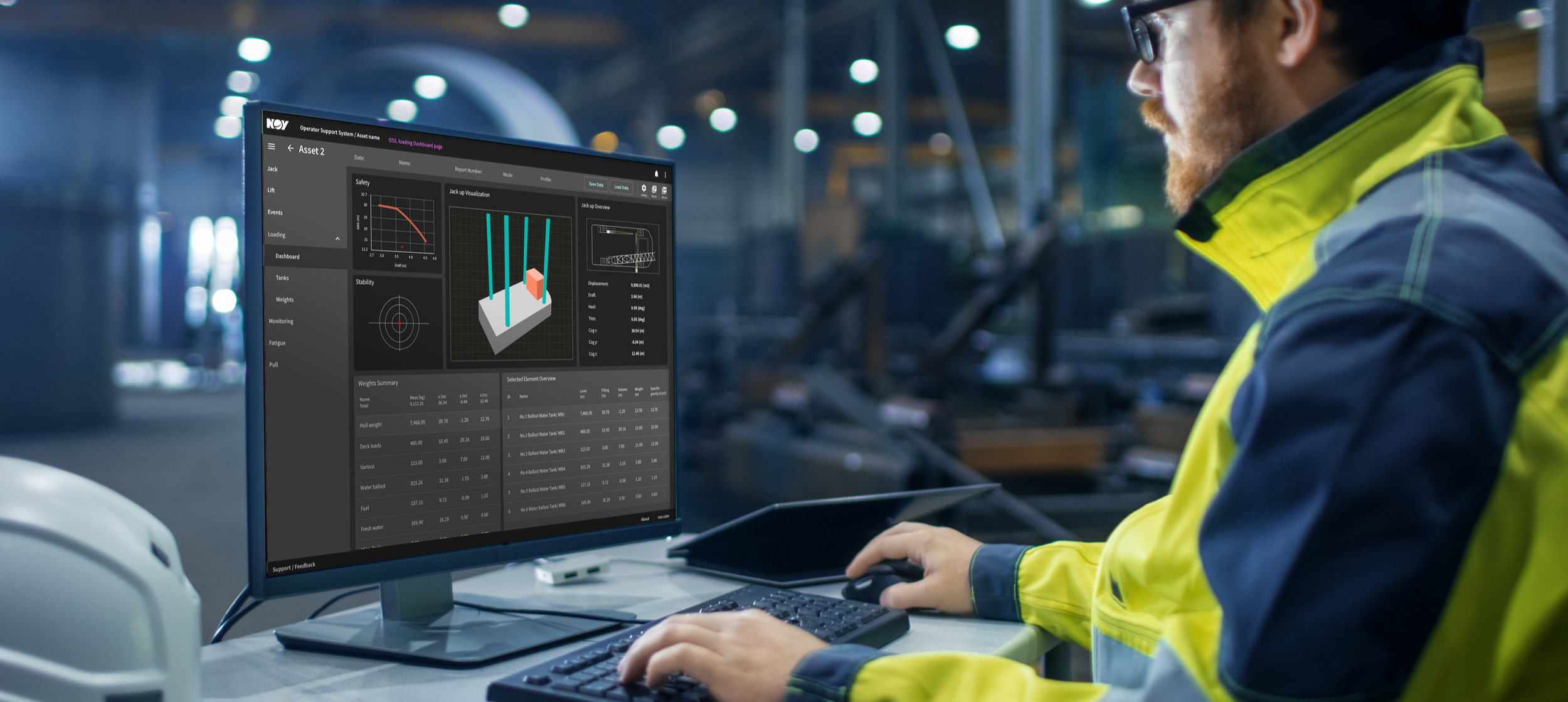
One Suite, Three Different Operational Needs
Shared patterns with workflows designed around the task.
Although the applications belonged to the same suite, each supported a different operational need. The challenge was to create experiences that felt consistent within MAX while giving each application the structure, information, and interactions its users required.
Rather than applying the same layout everywhere, I used shared navigation and interface patterns as a foundation and adapted the experience around each workflow.
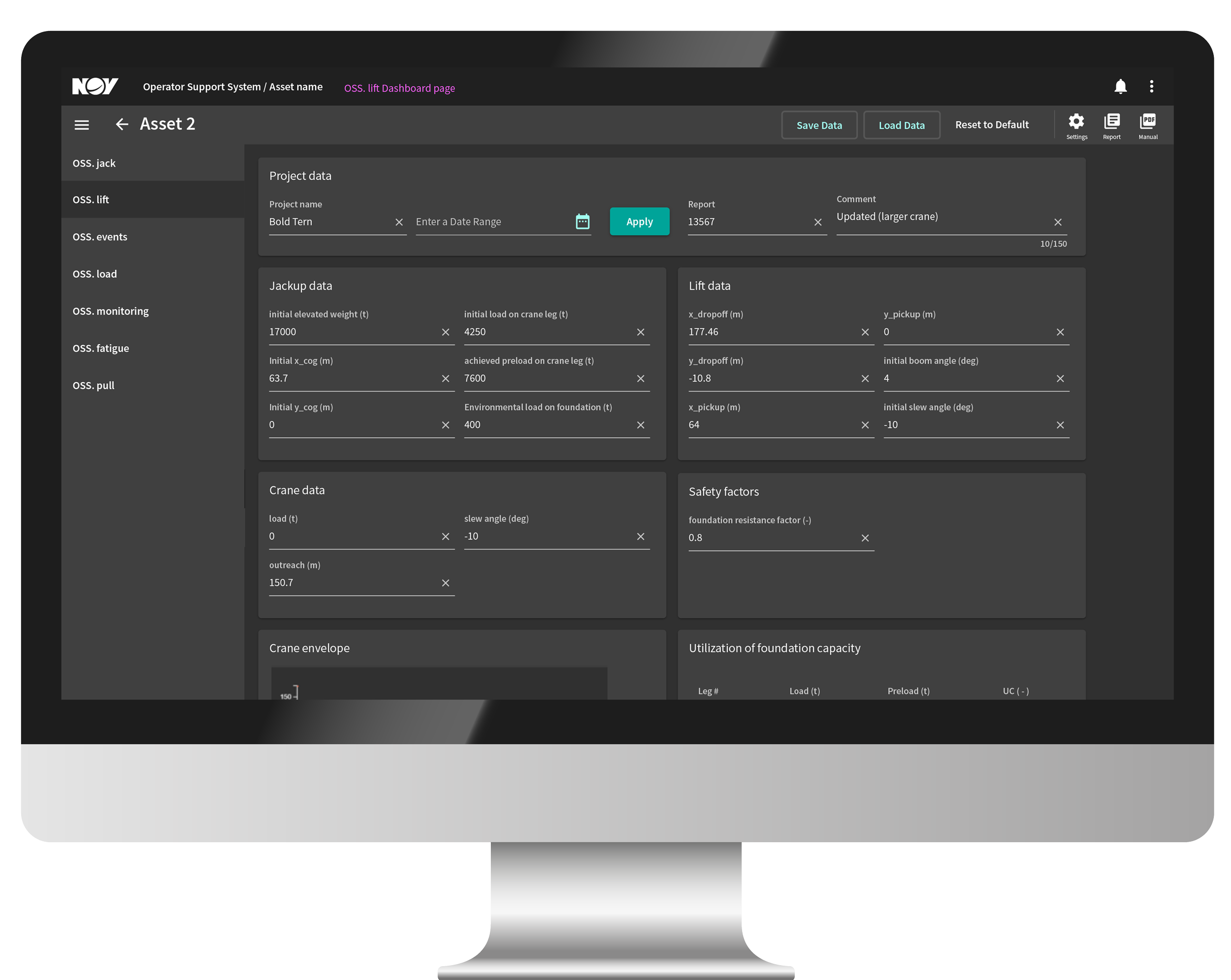
OSS Lift
Supporting safer, more informed lifting operations.
OSS Lift brought configuration, operational data, reporting, and real-time visualizations into a connected workflow for offshore lifting operations.
The design needed to make a large amount of operational information understandable without slowing users down. Ongoing reviews with GustoMSC engineers helped refine the workflow, asset-management experience, and final interface before development.

OSS Events
Replacing manual event reporting with a clearer digital workflow.
OSS Events was designed as a digital operational logbook that uses system data to support event logging and reporting, reducing the administrative burden and inconsistency associated with manual processes.
I designed both desktop and tablet experiences, adapting navigation, spacing, controls, and information priority for touch interaction while maintaining the same core workflow across devices.

OSS Loading
Making vessel stability and weight information easier to interpret.
OSS Loading brought together weight-management data and visualizations to help planning and operational crews understand vessel loading, weight distribution, and stability.
The work required balancing dense operational data with clear visualization. Design reviews helped simplify some of the more complex visual concepts while preserving the information users needed to make operational decisions.
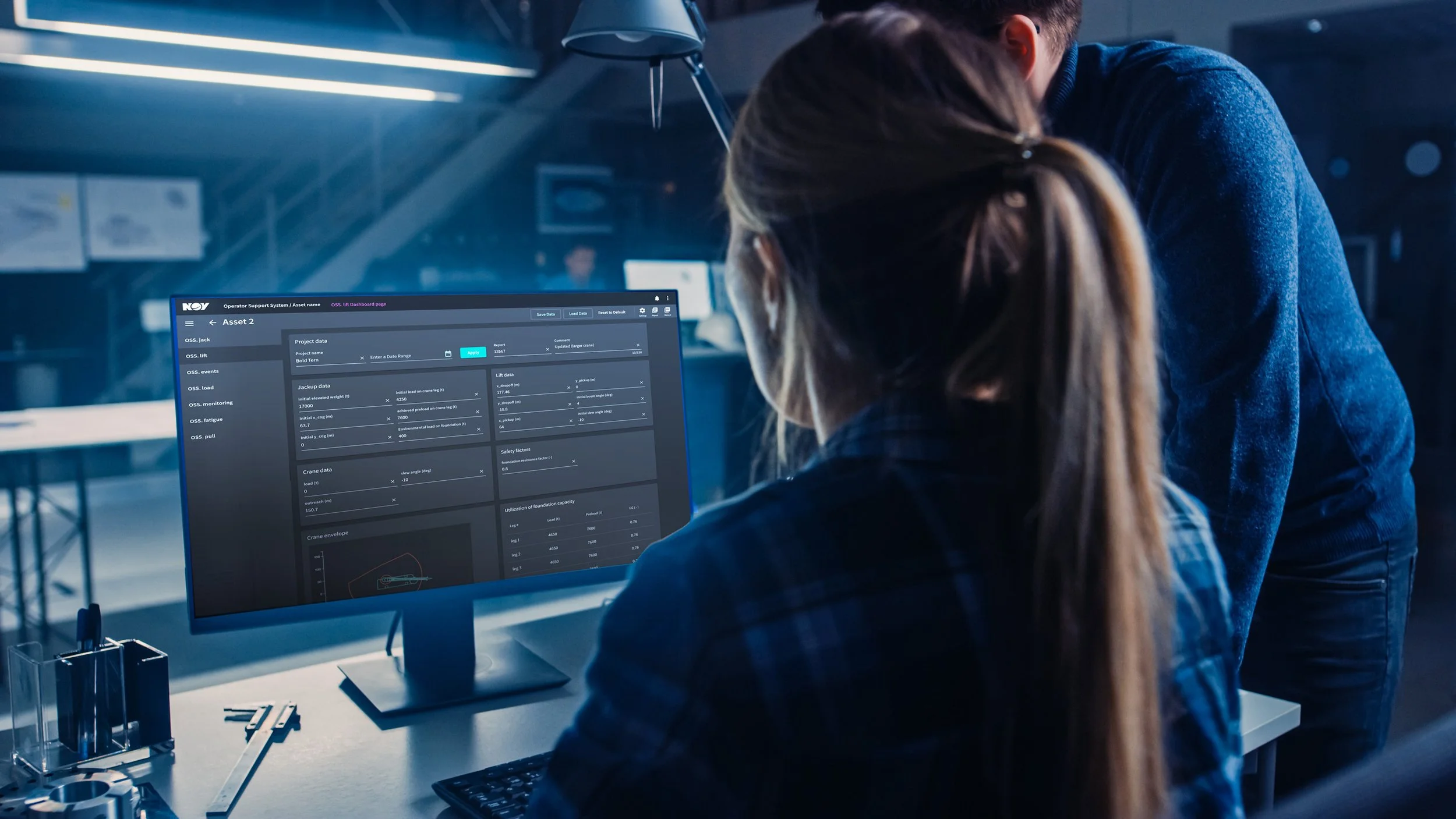
Designing Within a Larger Platform
Specialized tools that still feel like MAX.
The applications were not designed in isolation. They needed to share recognizable navigation, interaction patterns, and visual language while accommodating very different operational workflows.
Working closely with product owners, GustoMSC engineers, and development helped ensure the designs reflected real operating requirements while remaining achievable within the MAX platform.
What I Took Away
OSS reinforced the value of designing systems rather than individual screens. Consistency creates familiarity, but complex products still need enough flexibility to respond to the task, environment, and decisions each user is making.